

Understanding Minimally Invasive Orthopedic Surgery Options
Learn how minimally invasive orthopedic surgery treats joint and spine problems with smaller cuts, faster recovery, less pain, and fewer complications.
image for illustrative purpose
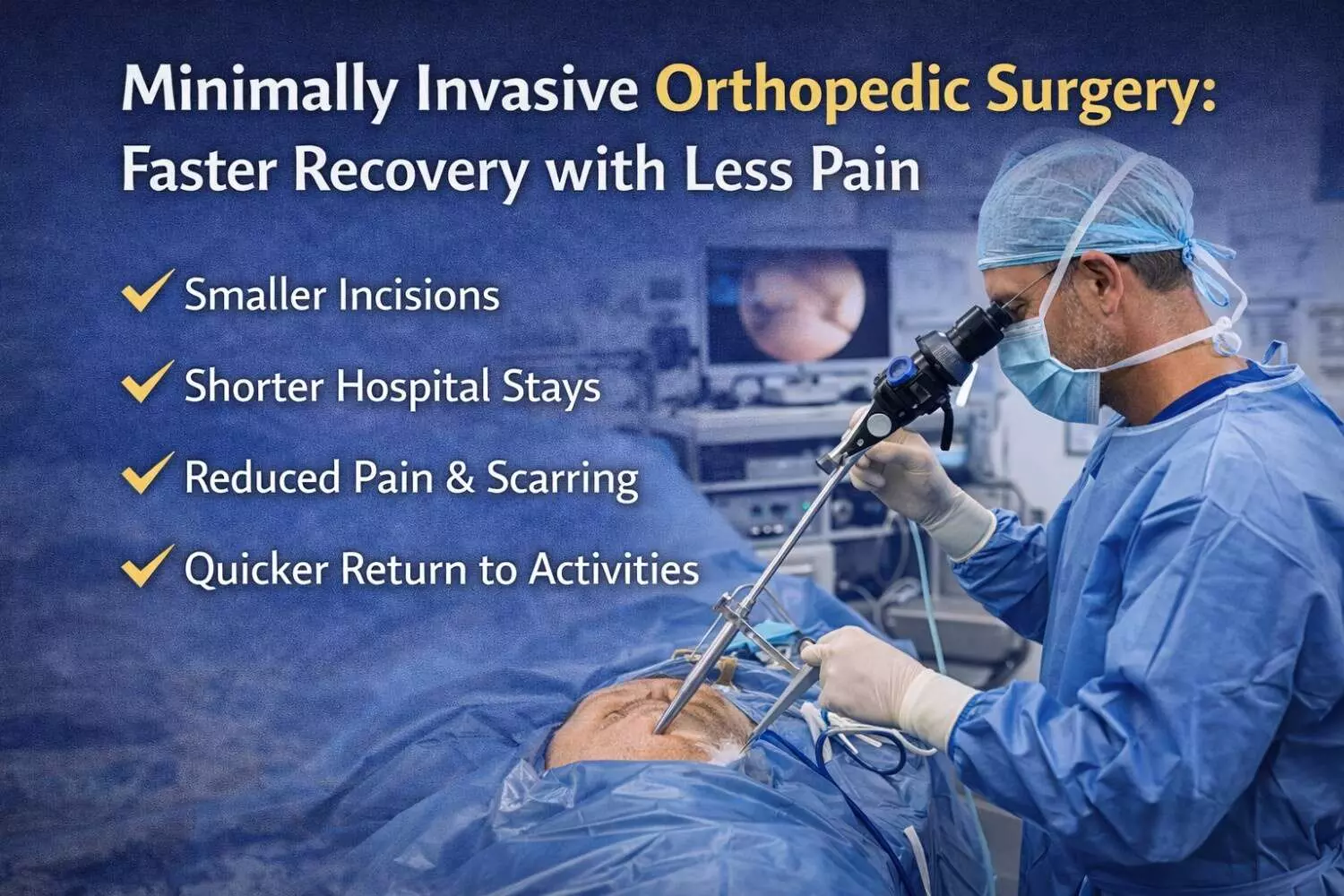
The hospital doesn't have to hold people for long periods of time these days. Instead, they can be fixed with smaller cuts and the newest tools. This kind of hip surgery is known as minimally invasive surgery. People who have problems with their bones, joints, or muscles can get better in new ways. With this method, people get better more often and with less pain than with ones that hurt more. People can choose better treatments for their health if they know how they work.
What Is Minimally Invasive Orthopedic Surgery?
Orthopedic surgery with small cuts might be what you need if you want to get to hurt bones or joints during surgery. For this kind of surgery, small cuts are made with special tools and imaging equipment. Narrow tools are guided by cameras or imaging systems. Docs who treat bones and joints use this method to fix issues with muscles in the back, knees, shoulders, or hips. As little surgery as possible that works well is best.
Common Conditions Treated With Minimally Invasive Techniques
Common health problems are treated with methods that cause the least amount of damage. People with joint problems like early arthritis and broken cartilage and tendons can often get better with less invasive steps. Most of the time, athletes who hurt their knees or shoulders while playing sports choose slightly invasive surgery to get back to playing faster. For some types of spinal stenosis and herniated discs, minimally invasive surgeries may be used instead of open surgery, with smaller cuts being used. The orthopedic doctor will look at all the details of each case before making a choice.
Types of Minimally Invasive Orthopedic Procedures
One example of this type of minimally invasive orthopedic treatment is arthroscopy, in which a small camera is put into a joint to find and treat problems. This method can be used for surgery on the knees, shoulders, wrists, and ankles. Another popular minimally invasive orthopedic option involves replacing damaged joints using minimal cuts and techniques that spare muscles; microdiscectomy or minimally invasive spinal fusion surgeries may help to stabilize the spine while causing minimal tissue damage - each way intended to make things more accurate while speeding up recovery times and making diagnosis and caregiving more accurate, while shortening recovery times significantly.
Benefits Compared to Traditional Surgery
Minimally invasive hip surgery has numerous advantages over traditional surgeries. Most often, smaller wounds mean reduced post-surgery painkiller consumption and less need for them. Also, getting better faster is helped by shorter hospital stays and lower chances of getting sick and losing blood. It helps muscles and soft parts heal faster most of the time when they stay together. It's easier for people to get back to normal. An experienced orthopedic doctor carefully compares all the pros and cons to what the patient needs in order to have the best result.
Recovery and Rehabilitation Process
Therapy is still very important, even though minimally invasive surgeries help people heal faster than open surgeries most of the time. You should still get better and keep up the good work. In order to become stronger, more flexible, and able to move around again more freely, you need chiropractic care; light exercises may even start earlier, helping heal and lessen stiffness faster. To avoid issues and ensure the long-term effectiveness of their surgery. An orthopedic doctor and their care team support patients throughout every stage of recovery as they change plans accordingly as patients become better.
Is Minimally Invasive Surgery Right for Everyone
These treatments are good in some ways, but they aren't right for all patients or cases. If you have severe arthritis, broken bones, or joint damage that needs traditional surgery, you may still need imaging tests and physical checks to help you decide which option is best for you. Before making a choice, they should talk to an orthopedic doctor about what to expect and the pros and cons of each treatment plan.
Making an Informed Decision
Surgery that doesn't involve cutting or drilling gets better every year, which means it can help more people in pain and get them back to normal life more quickly. This is because technology and medical skills are always getting better. You should know your options and talk to a qualified orthopedic doctor so that you can pick a treatment that works based on correct information and individualized care.





